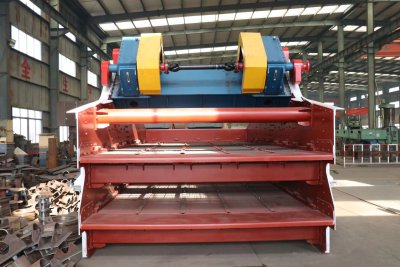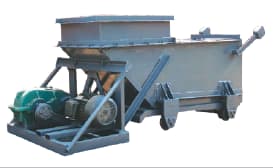
Reciprocating Feeder
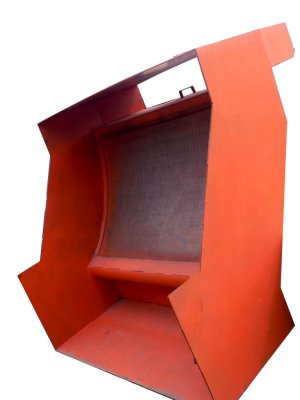
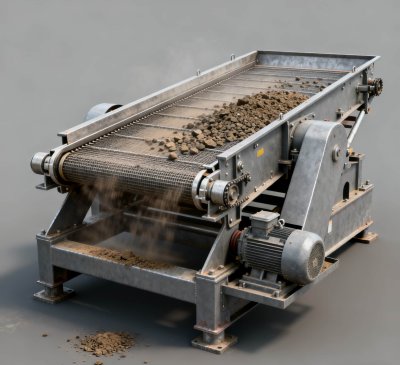
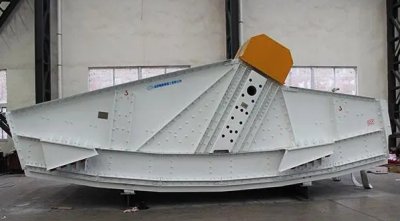
K-type reciprocating coal feeder is used for feeding loose granular materials such as coal or other materials with low abrasiveness and low viscosity. It continuously and uniformly discharges materials from storage bins or silos to transportation equipment or other screening equipment.
The K-type reciprocating coal feeder is a feeding equipment designed for coal or other abrasive and non-sticky loose granular materials.
| Model | K-0 | K-1 | K-2 | K-3 | K-4 | |||||||
| Payroll | Baseplate stroke | Crank | Anthracite | Bituminous coal | Anthracite | Bituminous coal | Anthracite | Bituminous coal | Anthracite | Bituminous coal | Anthracite | Bituminous coal |
| 200 | 4 | 100 | 90 | 150 | 135 | 225 | 200 | 330 | 300 | 590 | 530 | |
| 150 | 3 | 75 | 67 | 112 | 100 | 170 | 150 | 247 | 220 | 440 | 395 | |
| 100 | 2 | 50 | 45 | 75 | 68 | 133 | 100 | 165 | 150 | 295 | 268 | |
| 50 | 1 | 25 | 22 | 39 | 34 | 55 | 50 | 83 | 75 | 148 | 132 | |
| Crank rotation speed (r/min) | 57 | 57 | 57 | 62 | 62 | |||||||
| Electric motor | Model | YB160M1-8 | YB160M1-8 | YB160M1-8 | YB160M-6 | YB200L1-6 | ||||||
| (Y160M1-8) | (Y160M1-8) | (Y160M1-8) | (Y160M-6) | (Y200L1-6) | ||||||||
| Power (kW) | 4 | 4 | 4 | 7.5 | 18.5 | |||||||
| Rotational speed (r/min) | 720 | 720 | 720 | 970 | 970 | |||||||
| Speed reducer | Model | JZQ-350 | JZQ-350 | JZQ-350 | JZQ-400 | JZQ-500 | ||||||
| Speed ratio | 12.64 | 12.64 | 12.64 | 15.75 | 15.75 | |||||||
| Maximum allowable particle size (mm) | Content below 10% | 250 | 350 | 400 | 500 | 700 | ||||||
| Content above 10% | 200 | 300 | 350 | 450 | 550 | |||||||
| Equipment | With hopper | 1127 | 1251 | 1481 | 1927 | 2737 | ||||||
| Weight (kg) | Without a hopper | 1026 | 1144 | 1342 | 1735 | 2505 | ||||||
Note: The feed capacity listed in the table is adjusted to the maximum position of the gate (equivalent to the capacity without the gate)
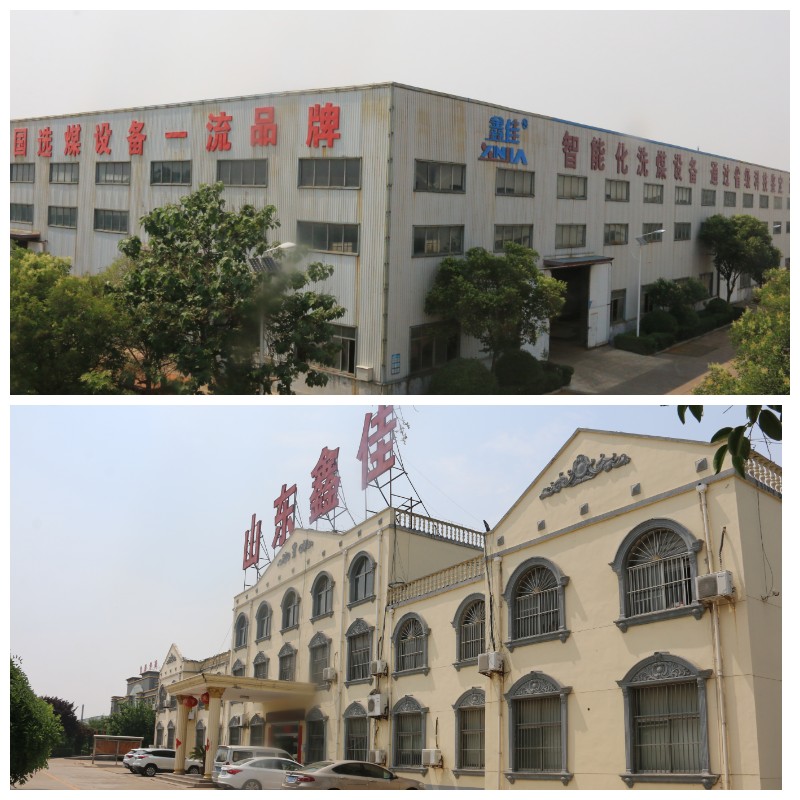
A Corner of the Company Environment
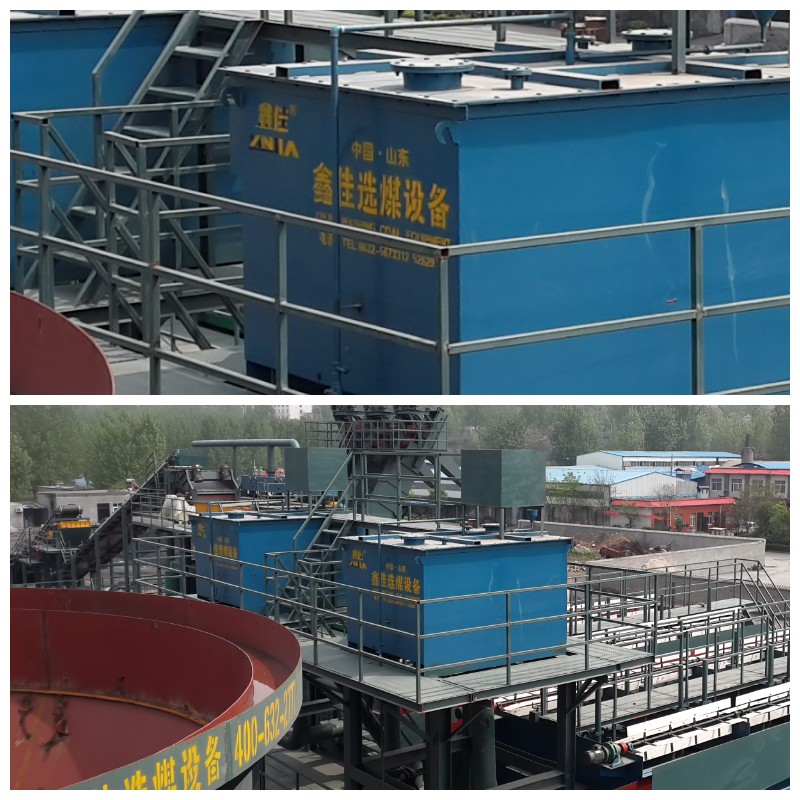
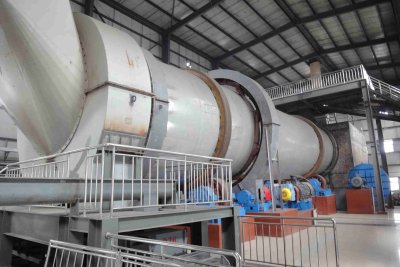
This photo shows our company's flotation system, which features guaranteed high recovery rate, intelligent precise quality control, energy-saving and low oil consumption, as well as strong equipment adaptability and easy operation.